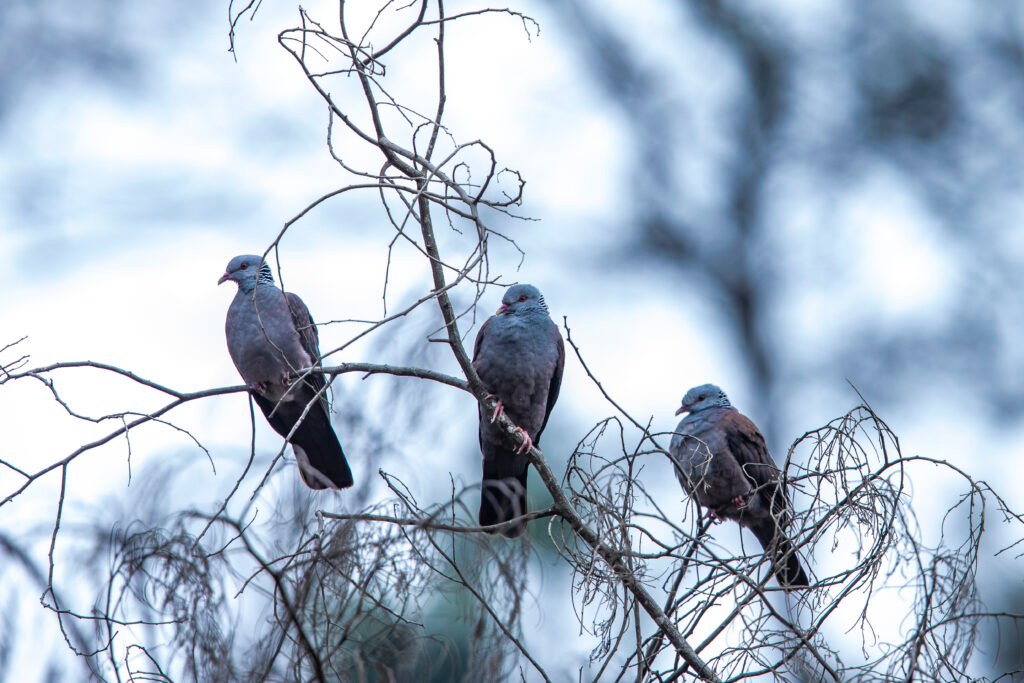
The Kodaikanal Wildlife Sanctuary (KWLS) lies between 10°07’13” – 10°25’37” N and 77°15’01” – 77°43’1″ E and covers an area of about 608 sq.km. in Dindigul and Theni districts of Tamil Nadu and abuts the Kerala state boundary. This sanctuary occupies 30.06% of the Palani Hills, 0.47% of the state’s and 0.048% of the Western Ghats geographical area. The Kodaikanal Wildlife Sanctuary consists of 25 Reserved Forest areas. These 25 Reserved Forest areas are in Kodaikanal, Palani and Periyakulam Taluks are further organized into Eight Forest Ranges such as 1. Kodaikanal, 2. Berijam, 3. Vandaravu, 4. Mannavanur, 5. Poomparai, 6. Perumpallam, 7. Devadanapatti and 8. Palani.
A Protected Area Born from Ancient Forests
The forests of Kodaikanal have sheltered life for millennia. The Kodaikanal Forest Division was formally constituted in 1982, and in 2013 — through Tamil Nadu Government Order No. 143 of the Environment & Forests Department — the Kodaikanal Wildlife Sanctuary was officially notified under the Wildlife (Protection) Amendment Act 2006. Straddling altitudes from 400 m to 2,500 m above mean sea level, the sanctuary encompasses one of the most vertically diverse landscapes in all of South India.
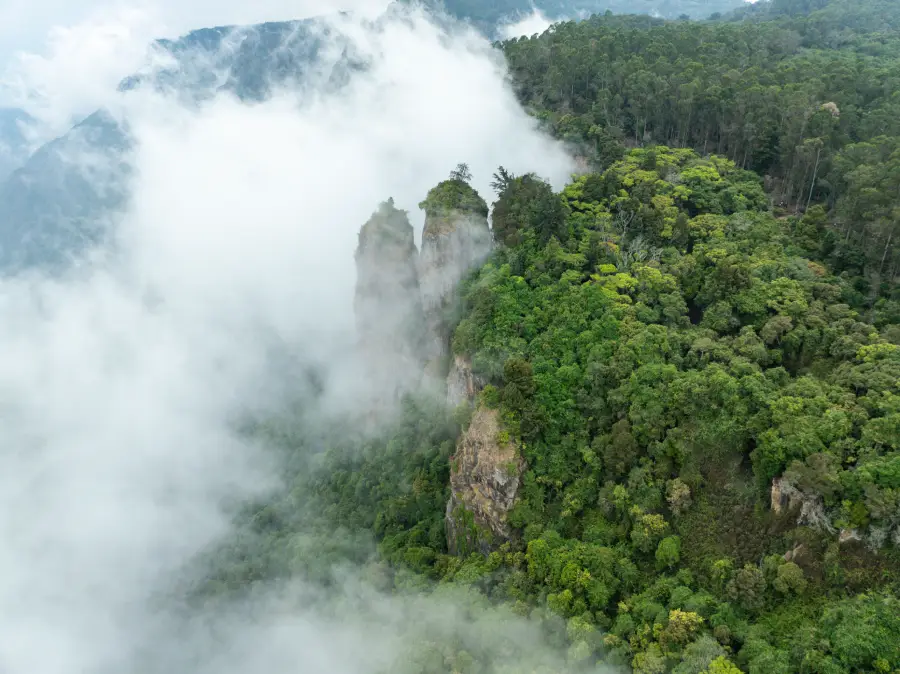
“The Western Ghats is recognised as one of three mega-centres for endemism in India — and Kodaikanal Wildlife Sanctuary sits at its heart.”
The highest peaks of the sanctuary are Vandaravu Peak (2531m), Vembadi Peak (2515m), Ibex Peak (2500m) and Perumalmalai Peak (2250m).
Historically, the region was home to the Paliyan and Pulaiyan communities, forest-dwellers who carried deep knowledge of medicinal plants and lived in intimate relationship with the land. Megalithic sites dating from 5000 BC to 700 BC, dolmens and stone tombs are scattered across the sanctuary speak to thousands of years of human presence in these hills.
“The shola-grassland tract in Kodaikanal Wildlife Sanctuary is regarded as one of the most extensive in the entire Western Ghats — an irreplaceable ecological archive.”
Declared a sanctuary in 2013, Kodaikanal Wildlife Sanctuary is a critical ecological fortress within the southern Western Ghats. Its significance can be broken down into four key pillars:
The sanctuary is famous for its unique Shola forests—patches of stunted tropical montane forest tucked into the valleys, separated by vast rolling grasslands.
The sanctuary provides a highly protected habitat for several endangered and vulnerable species that are endemic to the Western Ghats:
Animals don’t recognize human boundaries. The Kodaikanal Wildlife Sanctuary connects seamlessly with other protected areas, including the Anamalai Tiger Reserve, Eravikulam National Park, Munnar Forest Division, and the Chinnar Wildlife Sanctuary. This connectivity is vital because it creates a continuous wildlife corridor, allowing large mammals like elephants and tigers to migrate, maintain genetic diversity, and survive.
Because Kodaikanal is a highly popular hill station, the sanctuary serves as a vital frontline for ecological education. It manages the delicate balance between high-volume tourism and conservation, offering controlled eco-tourism that funds local communities and teaches visitors the value of preserving fragile mountain ecosystems.
The Big Picture: Without the Kodaikanal Wildlife Sanctuary, the unique Shola ecosystems would face severe degradation from agricultural encroachment and commercial plantations (like eucalyptus and pine). Protecting this zone ensures that southern India retains its water security, its rich biodiversity, and its natural resilience to climate change.
The sanctuary attracts thousands of national and international visitors each year. Whether you come for wildlife viewing, trekking, or simply the restorative quiet of ancient forests, Kodaikanal offers experiences that cannot be found anywhere else.
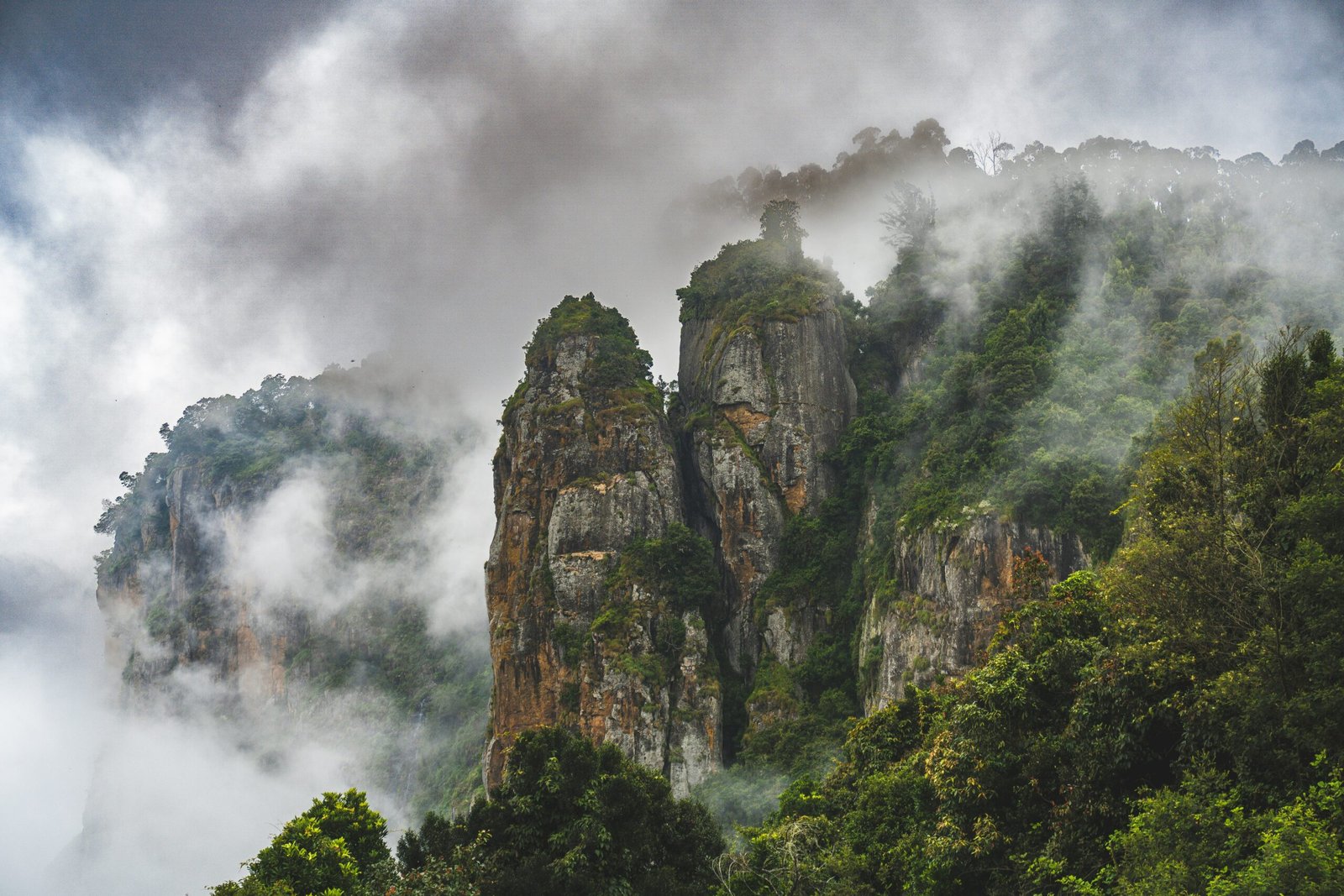
Pillar Rock
Geological landmark
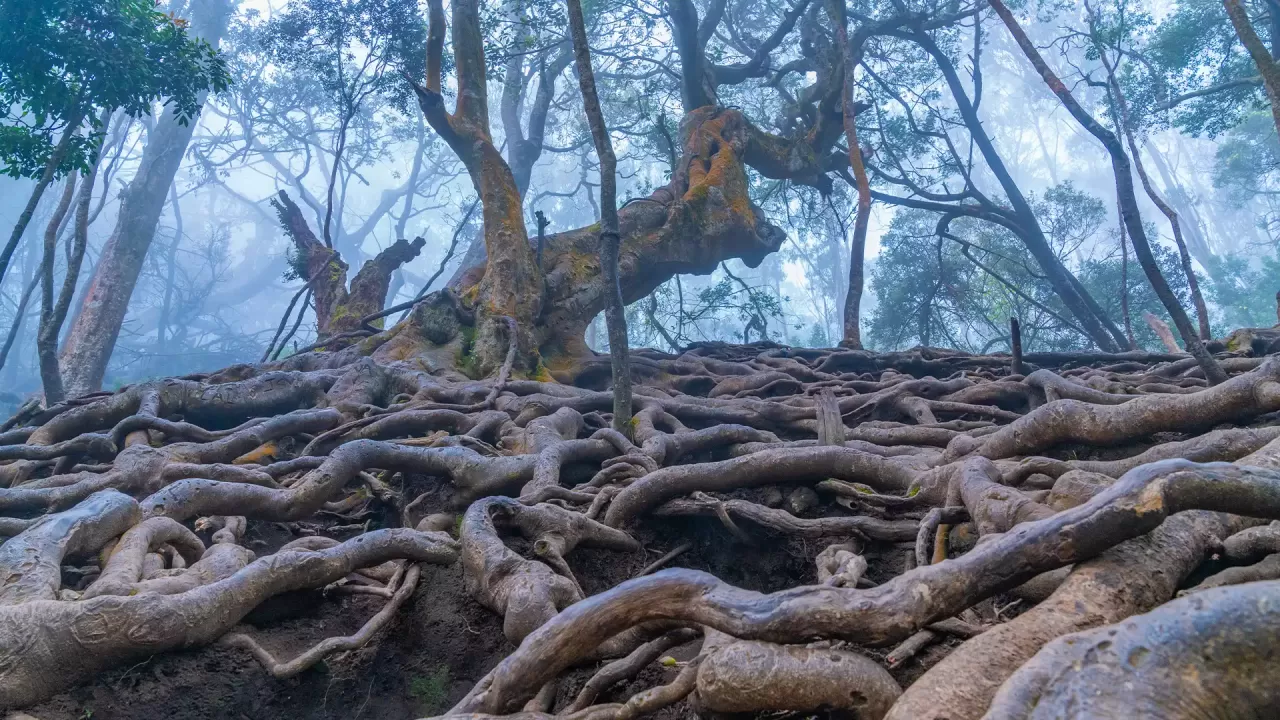
Guna Cave
Cave & viewpoint
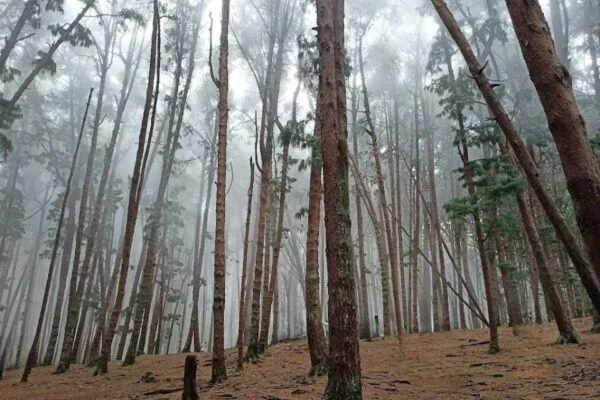
Pine Forest
Forest & wildlife
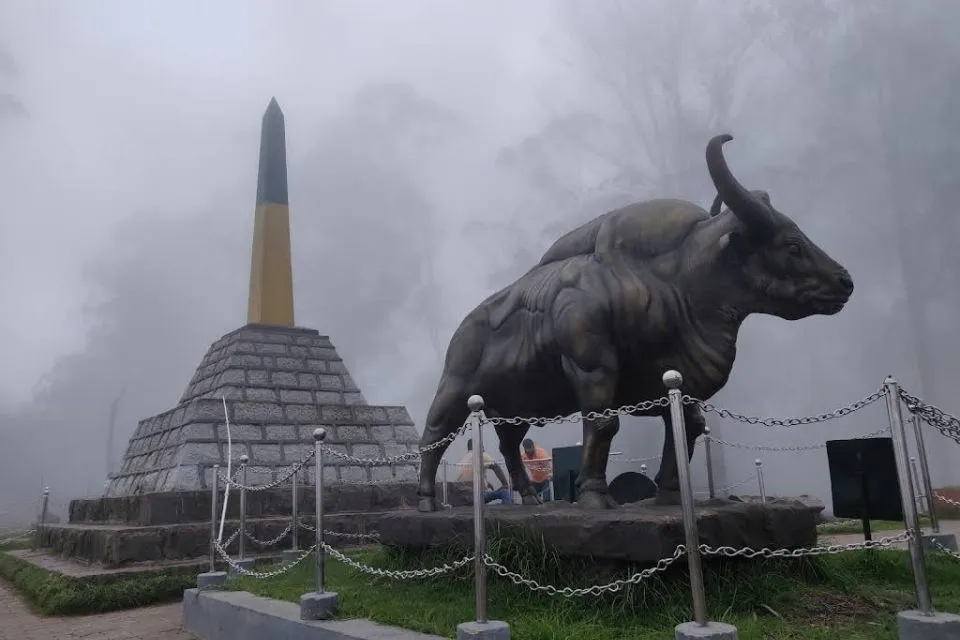
Moir Point
Viewpoint
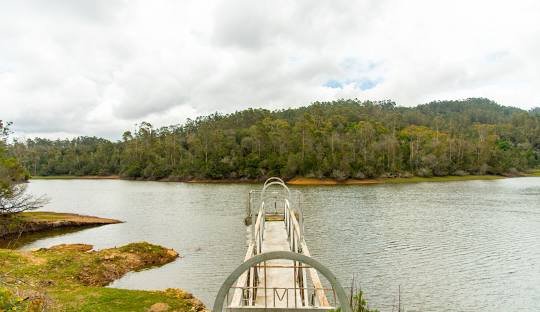
Berijam Lake
Wildlife, lake & reservoir
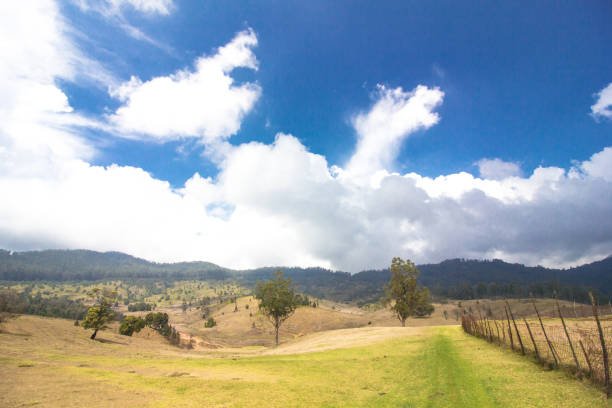
Mannavanur Grassland
Grassland & wildlife
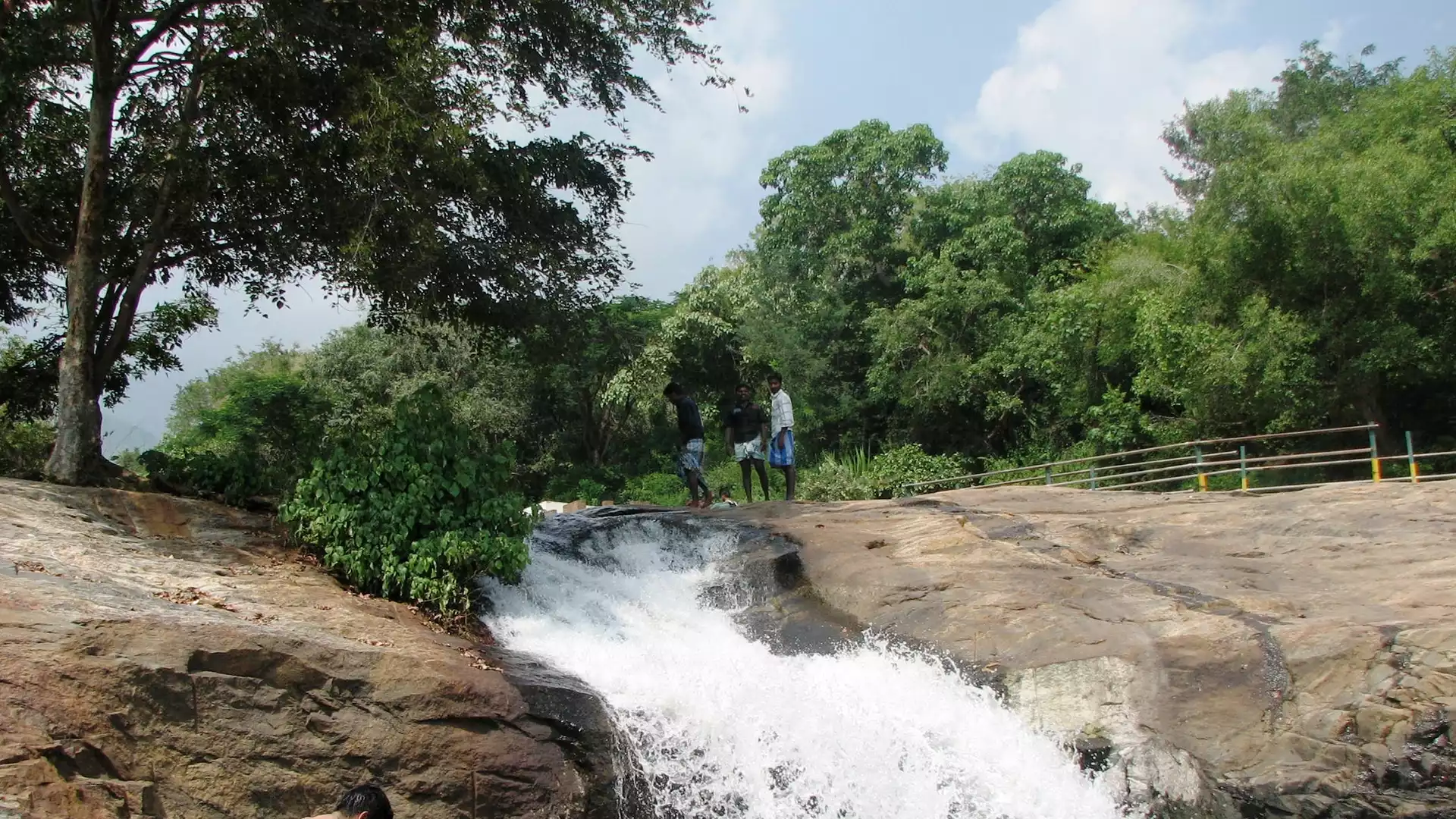
Kumbakarai Falls
Waterfall
Copyright © Kodaikanal wildlife Sanctuary. All Rights Reserved